
Root canal - Songdentistryinc.com
Beverly Hills, California
Root canal
Related treatments
- Dentist
- Filling
- Extraction
- TMJ treatment
- X-ray
Service areas
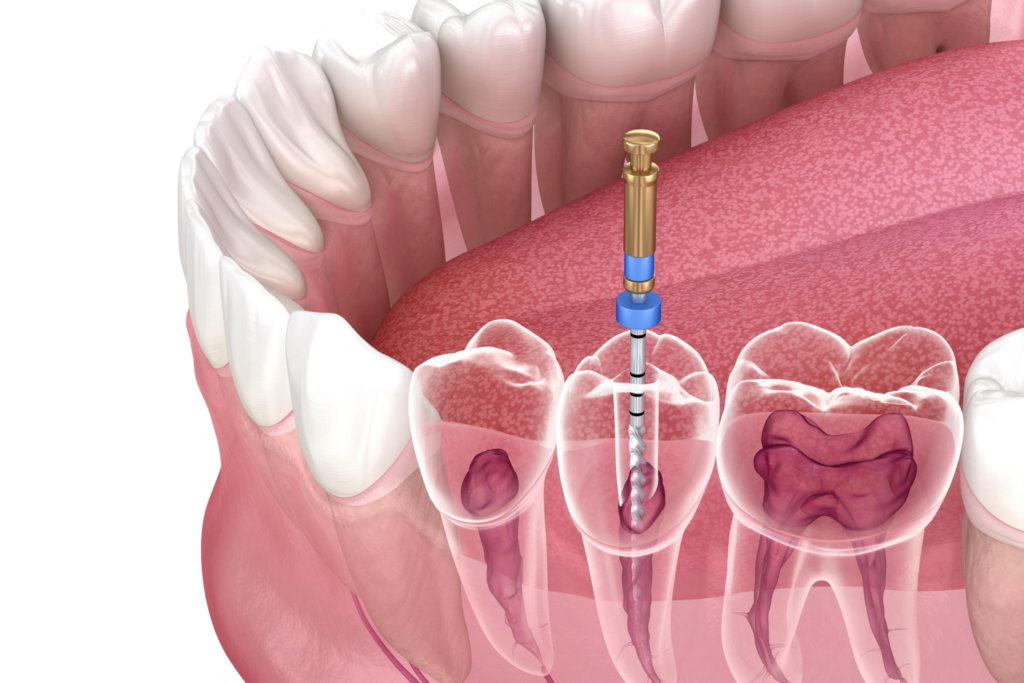
Teeth layers
The different layers of our teeth include:
The dentin layer, which makes up the majority of your teeth, is protected by enamel
The blood vessels and nerves that keep your teeth alive are housed in a pulpy interior encased by hard dentin
The pulp travels through the roots of a tooth and connects to the supporting tissue.
The inside of your tooth can be harmed by a variety of factors. You could have severe dental decay that has progressed to the inside of your tooth, or a crack or chip that allows bacteria to enter. Pulp injury can also occur as a result of dental trauma.
When the nerve of a tooth is damaged by decay or infection, a root canal is required. Your tooth’s decayed pulp tissue is removed using endodontic root canal therapy. Root canal therapy removes the damaged tissue and bacteria before filling and sealing the tooth, and is performed when tooth decay or infection reaches the pulp.
The tooth’s nerve must be extracted through an access formed in the tooth before a final repair (a filling or a crown) can be fitted. After a rubber dam (plastic sheet) is used to isolate the tooth, the nerve can be accessed. After that, the nerve is sliced with special tools. It is then filled with a biocompatible substance and inserted into the nerve space to completely seal it off from bacteria. Following that, the final restoration (filling, crown, or fixed bridge) is applied.
Many patients believe that root canal therapy is better to extraction, especially when it is proven that root canal therapy has been demonstrated to be quite successful in preserving teeth. There is heavier biological cost of completely extracting and replacing a tooth, and the replacement can have an impact on the teeth around it.
While root canals have a scary reputation, Dr. Catharine Song at Song Cosmetic Denstistry uses cutting-edge technology to make it as painless as possible, and her patients trust her to use the most effective methods for preserving adult teeth.
Toothaches
Unfortunately, several common root canal fallacies keep patients from consulting an dentist. The three primary myths are:
- A root canal is extemely painful.
- A root canal will make you sick.
- Tooth extraction beats getting a root canal.
While root canal therapy used to be traumatic, contemporary technology and anesthetics have made procedure as painless as filling a cavity. Root canal therapy relieves toothaches by removing the cause of infection, and our dentists also has more tools available to help with any discomfort you may feel during the procedure.
Moreover, the assumption that root canal treatment causes sickness is based on an old and flawed study that has been disproved. While some argue that root canal therapy increases the risk of future illness or disease, there is no scientific evidence to support this assertion.
Finally, it is very important to save a natural tooth whenever possible. This is usually safer, less painful, and cheaper than tooth extraction. Preserving a natural tooth reduces the chance of infection, and root canals are not as painful as people think.Many people also feel tooth extraction is cheaper. When looking at the big view, this isn’t always true.
Pros and cons
Many of the advantages of undergoing root canal treatment are quite obvious. These include pain relief, stopping the spread of infection, curing dental decay, and preventing further damage to the tooth pulp. By preserving the tooth, root canal treatments prevent unnecessary tooth extraction and balance the patient’s bite. They also protect the surrounding teeth from infection and strain. When properly cared for, root canal treatment results can last for a lifetime.
However, there are some possible disadvantages as well. Still, these are typically necessary trade-offs. For example, the treated tooth may not be as strong after the procedure. The doctor can address this by capping the tooth with a crown for added protection. Patients may also be at risk for discomfort, toothache, or reinfection. The doctor may also miss any hidden roots or canals, necessitating retreatment in the future. Choosing the right dentist and following all the doctor’s instructions can help minimize the chances of any complications.
Gums
Highly recommended Beverly Hills dentist, Dr. Song, begins by numbing your tooth and gums. When you’re fully numb, she will drill into your tooth using a special tool. She makes an incision in your tooth and removes the decaying and inflammatory tissue inside. She rinses your teeth to remove dirt and looks for damaged tissue.
Dr. Song may utilize either standard or GentleWave root canal procedures. Traditional root canal therapy involves filing away damaged tissue before washing and rinsing your tooth. GentleWave uses broad-spectrum acoustic energy to penetrate deep into your tooth, cleaning out damaged tissue, debris, and germs from even the tiniest bacteria traps in your teeth.
After removing the decayed tissue and bacteria, Dr. Song will fill and seal your tooth with a rubber-like cement. If she have to remove a lot of tissue from your tooth, she might recommend a dental crown to protect your teeth.
Treatment
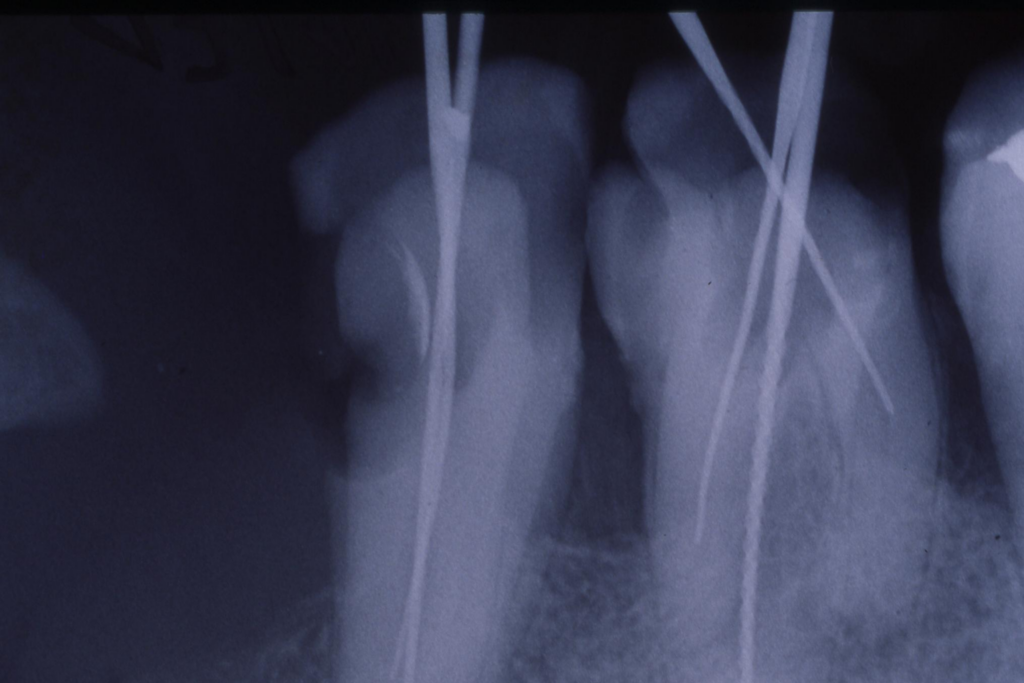
In many circumstances, you may require root canal therapy without any symptoms. In fact, your dentist will take routine X-rays to determine if you require a root canal. If you experience tooth discomfort, temperature sensitivity, or sore, swollen gums, see your dentist to determine the cause.
Root canal therapy is a frequent endodontic procedure. They are required when the root canal (or pulp) tissue becomes infected or irritated. This can be caused by tooth cracks or chips, extensive decay, or recurrent dental operations. The pulp can become infected or inflamed without any visible evidence of injury.
Someone may need a root canal as well if they experience some other issues. In order to get the best treatment possible, patients should contact a dentist if they have extreme discomfort while biting or chewing. Some other symptoms of many patients who need root canals include the gum develop pimples or ulcers, sensitivity to cold, swelling, or tenderness.
Most tooth decay and internal damage are invisible to the human eye. Symptoms of root canal therapy include:
- Toothache
- Temporary tooth sensitivity
- Gum blemishes
- A broken or chipped tooth
- Inflamed gums
- Tooth or gum darkening
In rare circumstances, you may not show any symptoms at all.
The only way to know for sure if you require root canal therapy is to visit Dr. Song and have X-rays done. For skilled root canal therapy, call Song Cosmetic Dentistry or book online. Dr. Song and her team offers root canals in Beverly Hills and the surrounding area. Keep in mind that saving a tooth isn’t as painful or hard as you might think.
Call (310) 551-2955 to book an appointment today!