
TMJ treatment - Songdentistryinc.com

Beverly Hills, California tmj jaw treatment
Temporomandibular joint
The temporomandibular joint (TMJ) is the joint that connects your jaw to your skull. It is a small joint located in front of the ear where the lower jaw (mandible) meets the skull (temporal bone).
The TMJ is one of the most vulnerable joints you have, as it is constantly being used for talking, chewing, and other movements. It is a complex joint that allows your jaw to move in many directions, making it one of the most versatile joints in your body. As a result, TMJ is very susceptible to injury and disease.
Problems with the TMJ can cause pain in the jaw and face, clicking or popping sounds when moving the jaw, and difficulty opening or closing the mouth. These problems are often referred to as TMJ disorders or TMD.
Related treatments
- Dentist
- Tooth bonding
- Root canal
- X-ray
Service area
The service area includes – Fairfax, West Hollywood, Westwood, Beverly Grove, Century City, Bel Air, sherman oaks, beverly hills, Los Angeles.
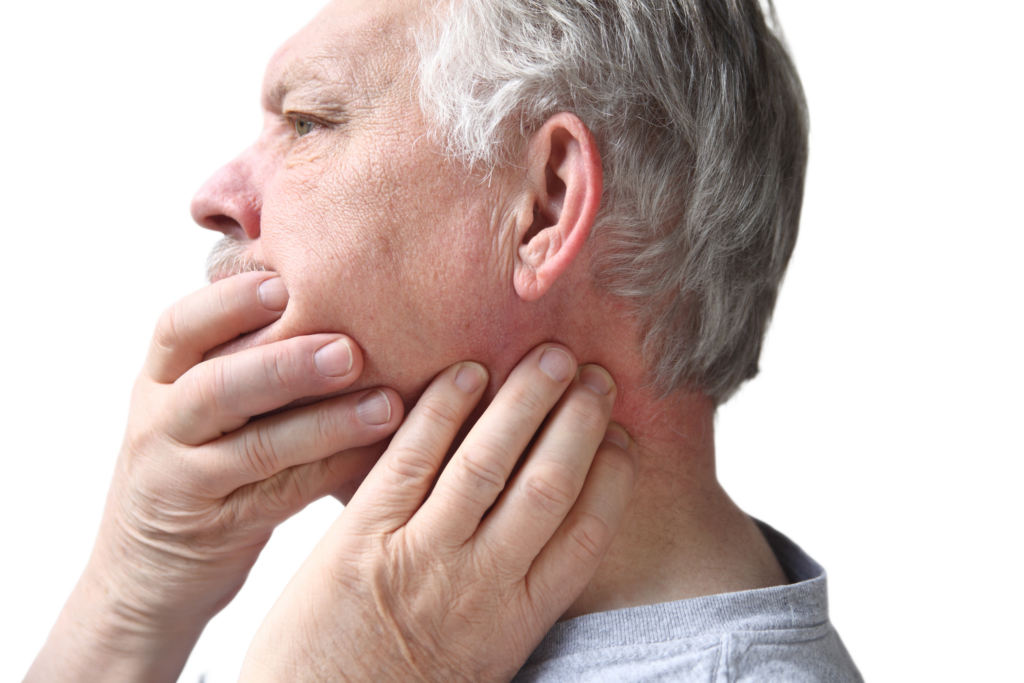
Jaw stiffness
Temporomandibular disorders (TMD) are a group of conditions that can affect the TMJ, causing discomfort and dysfunction in the muscles and joints of the jaw.
TMD can cause pain and stiffness in the jaw. Symptoms can vary from mild to severe, and may include pain or tenderness in the jaw, difficulty chewing or swallowing, and clicking or popping sounds when moving the jaw. It can also lead to headaches, earaches, and dizziness.
While there are many possible causes of TMD, the most common is stress. When we are stressed, we tend to clench our teeth or grind them (also known as bruxism), which can put a lot of pressure on the TMJ, resulting in injury. Other possible causes include poor posture, arthritis, teeth clenching or grinding during sleep (sleep bruxism), gum chewing, tooth decay, teeth misalignment, misaligned jaws, or trauma to the head or neck.
Mouthguards
There are a number of things you can do to help prevent TMD or reduce its symptoms. These include avoiding hard and chewy foods, practicing good posture, exercising the jaw muscles, and reducing stress. If you already have TMD, treatment may involve lifestyle changes, mouthguards or splints, physical therapy, medications, or surgery.
While TMD can be a painful and debilitating condition, there are a number of things you can do to avoid it:
- First, be mindful of your jaw when you are chewing. Avoid over-clenching your teeth or chewing hard foods.
- Second, take frequent breaks when working or using computers to avoid strain on your jaw muscles.
- Third, practice good posture and alignment to ensure that your jaws are not placed in an unnatural position.
Treatment
Treatment for TMJ depends on the underlying cause but may include changes in diet, relaxation techniques, physical therapy, or medication.
In some cases, simple lifestyle changes such as eating softer foods or avoiding chewy foods may be enough to ease pain and discomfort. If bruxism is the cause of TMD, your dentist may recommend wearing a mouthguard at night, also known as Night Guard. More severe cases of TMD may require physical therapy, splints or braces, medication, or surgery.
By following these simple tips, you can help avoid TMD and keep your jaws healthy and pain-free!
Book a Consultation Now!
If you think you may have TMD, it is important to see a doctor or dentist so that they can properly diagnose and treat the condition. If you think you have a TMJ Disease, contact us at Song Cosmetic Dentistry at (310) 551-2955 and book an appointment so we can better diagnose your symptoms and provide necessary TMJ treatments.